Maximum: The Friendly Display Font That Makes Your Content Stand Out
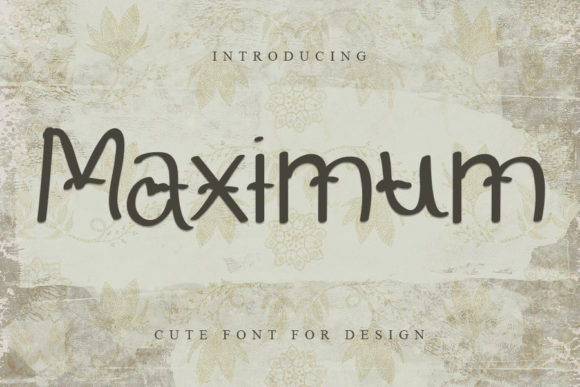
When you are designing a poster, setting up a landing page, or crafting a social media graphic, the first thing people notice isn’t your message—it’s how that message looks. Typography sets the tone before a single word is read. This is where Maximum comes into play. It is not just another typeface; it is a friendly display font designed specifically to grab attention without shouting. Its characters are well-spaced, creating an airy and inviting feel that makes reading effortless, even at large sizes.
If you have ever struggled with fonts that feel too rigid, too decorative, or too hard to scan, Maximum offers a refreshing alternative. It strikes a balance between personality and readability, making it suitable for any words that need to stand out against a busy background. Whether you are a small business owner branding your coffee shop or a marketer launching a new product, understanding how to leverage this font can significantly elevate your visual communication.
Why "Friendly" Matters in Design
In a digital landscape saturated with sleek, minimalist sans-serifs and ornate serif displays, "friendly" is a powerful design attribute. A friendly font signals approachability, trust, and warmth. Maximum achieves this through its rounded edges and generous letter spacing. These subtle details reduce visual tension, allowing the viewer to relax and engage with the content rather than feeling intimidated by aggressive typography.
This characteristic makes Maximum particularly effective for brands that want to appear accessible. For instance, consider a local bakery using Maximum for their daily specials board. The font’s clarity ensures that customers can quickly identify items like "Sourdough" or "Croissant," while its welcoming aesthetic reinforces the cozy atmosphere of the shop. It bridges the gap between professional polish and human connection.
Real-World Applications for Maximum
The versatility of Maximum lies in its ability to adapt to various contexts. Here are several scenarios where this font shines:
- Event Posters and Flyers: When promoting a community event, such as a farmers market or a charity run, you need text that is legible from a distance. Maximum’s bold presence ensures headlines pop, while its clean structure keeps subheadings readable. The well-spaced characters prevent letters from blurring together when printed on low-resolution paper.
- Social Media Graphics: In the fast-scrolling world of Instagram or Facebook, static images must capture attention instantly. Using Maximum for overlay text on photos creates a striking contrast. Because the font is inherently balanced, it pairs well with vibrant backgrounds without becoming cluttered. It works especially well for quotes, announcements, or promotional offers.
- Educational Materials: Teachers and educational content creators often seek fonts that are easy for students to decode. While Maximum is a display font, its clear character forms make it suitable for headers in worksheets, presentations, or classroom posters. It helps organize information visually, guiding the learner’s eye to key concepts without overwhelming them.
- Product Packaging: For artisanal products, packaging is a silent salesman. A jar of homemade jam or a bag of specialty coffee benefits from labels that feel handcrafted yet professional. Maximum adds a touch of modern charm to packaging, distinguishing the product on crowded shelves. Its friendly nature suggests quality and care, appealing to consumers who value authenticity.
Who Benefits Most from Maximum?
Different users find different value in this typeface. Graphic designers appreciate Maximum for its reliability in layout design. The consistent spacing reduces the need for extensive kerning adjustments, saving time during the creative process. Meanwhile, non-designers—such as entrepreneurs or hobbyists—find it easier to use because it requires less technical knowledge to make it look good. Simply placing it on a contrasting background often yields a polished result.
Marketing professionals also benefit from Maximum’s psychological impact. Studies show that font choice influences consumer perception. A friendly font like Maximum can increase engagement rates by making calls-to-action feel more like invitations than commands. This subtle shift can lead to higher click-through rates and better overall campaign performance.
Practical Tips for Using Maximum Effectively
To get the most out of Maximum, consider these practical observations:
- Contrast is Key: Since Maximum is designed to stand out, pair it with simple, uncluttered backgrounds. Avoid busy textures or patterns that compete with the font’s inherent weight. A solid color or a blurred image works best.
- Limit Word Count: As a display font, Maximum is intended for short bursts of text. Use it for headlines, titles, and key phrases rather than long paragraphs. Long blocks of text in a display font can become fatiguing to read, undermining the font’s primary strength of clarity.
- Experiment with Sizes: Don’t be afraid to go big. Maximum looks impressive at large scales, where its character details become prominent. Conversely, it remains readable at smaller sizes for secondary headings, provided there is adequate white space around it.
- Pair Thoughtfully: If you need body text, pair Maximum with a neutral sans-serif or serif font. This combination allows Maximum to handle the heavy lifting of attracting attention while the companion font manages detailed information. Ensure the pairing shares similar visual weights to maintain harmony.
Considerations and Limitations
While Maximum is a robust tool, it is not a one-size-fits-all solution. It may not be appropriate for industries requiring a sense of tradition, luxury, or formality. For example, a high-end law firm or a heritage brand might find Maximum too casual for their corporate identity. In such cases, a more structured serif or a refined sans-serif would be a better fit.
Additionally, accessibility should always be a priority. While Maximum is highly readable, ensure that the color contrast meets Web Content Accessibility Guidelines (WCAG). Light gray text on a white background, for instance, may be difficult for some users to perceive, regardless of the font choice. Always test your designs across different devices and lighting conditions.
Conclusion
Maximum is more than just a font; it is a strategic design element that enhances communication through friendliness and clarity. By understanding its strengths and applying it thoughtfully to real-world scenarios, you can create visuals that not only look great but also resonate with your audience. Whether you are designing a quick social post or a comprehensive brand identity, Maximum offers a reliable way to make your words stand out in a crowded world.