Gravel Bold: The Power of Texture in Display Typography
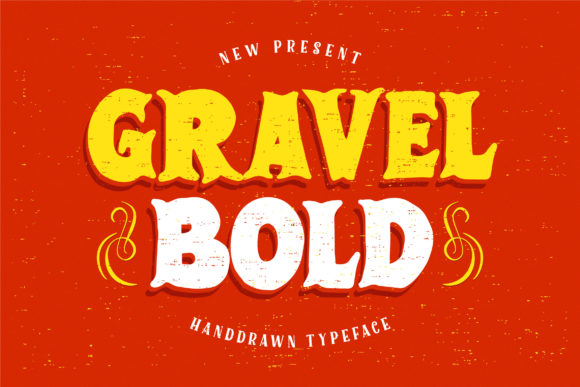
In the world of visual communication, not all typefaces are created equal. Some fonts whisper; others shout. Then there are those that rumble, grounding a design with weight, grit, and undeniable presence. Gravel Bold falls squarely into the latter category. It is an assertive, thick-lettered display font characterized by its rough texture, designed to catch the eye and hold it. But beyond its striking appearance lies a versatile tool for creators who want to inject character, energy, and authenticity into their work.
Whether you are designing for children’s games, crafting bold brand identities, or putting the finishing touches on a book cover, Gravel Bold offers more than just legibility—it offers attitude. This article explores how this distinctive typeface can elevate your projects, from digital screens to printed materials, and provides practical guidance on using it effectively without overwhelming your audience.
Understanding the Aesthetic of Gravel Bold
To use any font effectively, you must first understand its soul. Gravel Bold is defined by its thickness and its textured surface. Unlike clean, minimalist sans-serifs that prioritize neutrality, Gravel Bold embraces imperfection. The "rough" quality suggests something tactile—like stone, concrete, or weathered wood. This makes it inherently organic and human, even though it is a digital creation.
The bold weight ensures that every letter carries significant visual mass. This isn’t a font for body text; it is a display font meant to be seen at a glance. Its assertiveness makes it ideal for headlines, titles, and logos where immediate impact is required. However, this strength comes with responsibility. Because the font demands attention, it must be used with intention. When paired correctly, it creates a dynamic tension between ruggedness and readability, allowing designers to communicate strength without sacrificing clarity.
Why Texture Matters in Modern Design
In an era dominated by flat design and sleek interfaces, textured typography stands out as a deliberate choice. It signals craftsmanship and effort. For brands and creators, using a font like Gravel Bold communicates that they value substance over superficiality. It suggests durability, reliability, and a hands-on approach. This psychological association is powerful when marketing products or services that rely on trust and solidity.
- Visual Weight: The heavy strokes anchor compositions, providing a stable base for lighter elements.
- Tactile Illusion: The rough edges trick the brain into perceiving physical texture, adding depth to 2D designs.
- Nostalgic Appeal: The style often evokes mid-century industrial aesthetics or vintage signage, tapping into feelings of nostalgia and timelessness.
Creative Applications Across Industries
The versatility of Gravel Bold lies in its ability to adapt to various contexts while maintaining its core identity. Here is how different professionals can leverage this font to achieve specific goals.
Branding and Logo Design
For small business owners and entrepreneurs, establishing a memorable brand identity is crucial. Gravel Bold is an excellent choice for companies in construction, outdoor recreation, automotive repair, or artisanal food production. Imagine a logo for a craft brewery or a hardware store; the rough texture reinforces the idea of handmade quality and rugged utility. To keep the result professional, ensure the logo remains scalable. Test the font at very small sizes to ensure the texture doesn’t become muddy or illegible.
When pairing Gravel Bold with other fonts for branding, consider balancing its heaviness with a clean, simple sans-serif for secondary information. This contrast prevents the design from feeling too aggressive and maintains a hierarchy of information.
Children’s Games and Educational Materials
It might seem counterintuitive to use a "rough" font for children’s content, but Gravel Bold brings a playful energy that appeals to young audiences. In cartoon-related designs or educational posters, the exaggerated thickness and unique texture make letters feel like characters themselves. It adds humor and whimsy without being childish in a simplistic way.
Educators and hobbyists creating activity books or game boards can use Gravel Bold for instructions or title cards. The high contrast and clear shapes help early readers distinguish letters, while the fun aesthetic keeps them engaged. Just remember to leave ample white space around the text so the busy texture doesn’t cause visual fatigue for younger eyes.
Publishing and Book Covers
Authors and publishers looking to stand out on crowded shelves need typography that pops. Gravel Bold is perfect for thriller novels, adventure stories, or non-fiction books dealing with serious topics. The font’s assertive nature conveys urgency and importance. For fantasy or historical fiction, the rough texture can subtly hint at ancient manuscripts or carved stone inscriptions.
When designing a book cover, treat the font as part of the artwork. Experiment with layering, shadows, and color gradients to enhance the three-dimensional effect of the texture. A well-executed treatment can turn a simple title into a central visual element that draws readers in.
Social Media and Digital Marketing
In the fast-paced world of social media, grabbing attention within seconds is essential. Gravel Bold works exceptionally well for quote graphics, promotional banners, and event posters. Its bold presence cuts through the clutter of feeds filled with pastel colors and delicate scripts. Marketers can use it to highlight key messages, such as sale announcements or call-to-action buttons.
However, digital platforms have limitations. Screen resolution varies, and some devices may struggle to render fine textures accurately. Always preview your designs on multiple screen sizes. If the texture becomes pixelated or blurry, simplify the background or reduce the complexity of the text effects to maintain clarity.
Practical Tips for Effective Usage
Using Gravel Bold effectively requires more than just dropping it onto a canvas. Here are some practical recommendations to ensure your designs remain clear, organized, and audience-friendly.
- Limit Your Palette: Because the font is visually complex, avoid competing patterns or overly colorful backgrounds. Let the typography shine by using solid, muted, or complementary colors. High contrast between the text and background is non-negotiable for readability.
- Control Spacing: Thick letters take up more visual space. Adjust kerning and tracking carefully. Too tight, and the texture will merge into an unreadable blob; too loose, and the word loses its cohesion. Play with spacing to find the sweet spot where each letter is distinct yet part of a unified whole.
- Mix with Simplicity: Pair Gravel Bold with thin, elegant, or neutral fonts to create balance. This technique, known as typographic contrast, allows you to use the bold font for emphasis while keeping the overall design sophisticated and easy to read.
- Consider Context: Ask yourself who your audience is and what message you want to convey. Is the goal to inform, entertain, or persuade? Gravel Bold is best suited for messages that require confidence and directness. Avoid using it for sensitive or delicate topics where softness is preferred.
Conclusion
Gravel Bold is more than just a font; it is a statement. It brings texture, weight, and personality to any project, making it an invaluable asset for designers, marketers, and creators alike. By understanding its characteristics and applying it with strategic intent, you can create designs that are not only beautiful but also effective and memorable.
Whether you are launching a new brand, designing a children’s game, or publishing a book, let Gravel Bold be the voice that speaks loudly and clearly. Embrace its rough edges and bold stance, and watch as your creative visions come to life with renewed energy and impact.