Integrating Anklin into Modern Design Workflows
In the landscape of digital and print design, typography is rarely just an aesthetic choice; it is a functional component of communication. The right typeface can guide the user’s eye, establish hierarchy, and convey brand personality before a single word is read. Among the vast array of display fonts available today, Anklin has emerged as a distinct tool for designers who require an assertive, modern, and authentic presence. Unlike subtle body text fonts designed for readability over long passages, Anklin is built to command attention. It serves as a critical asset in the early stages of branding, the execution of high-impact marketing materials, and the final polish of web interfaces.
Understanding how to integrate a font like Anklin into your professional workflow requires moving beyond simple visual appreciation. It involves analyzing its structural characteristics, understanding its limitations, and applying it strategically within broader creative processes. For professionals ranging from freelance graphic designers to startup founders, leveraging the bold nature of Anklin effectively can streamline decision-making and enhance the perceived value of the final output.
Defining the Role of Display Typography in Workflow
Before diving into specific use cases, it is essential to define where display fonts fit within the standard design process. In a typical project lifecycle—whether it involves creating a business card, launching a landing page, or designing a product packaging—the typography phase usually occurs after the conceptual framework is established but before the detailed layout work begins. This is the stage where tone is set.
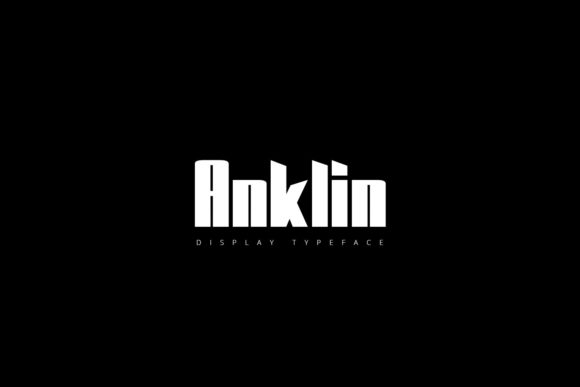
Anklin fits squarely into this "tone-setting" phase. Its definition as a modern, authentic, and bold display font means it carries inherent weight. When you introduce Anklin into a project, you are making a deliberate statement about authority and clarity. It is not a background element; it is a foreground feature. This characteristic influences how other elements in the design must behave. For instance, if Anklin is used for a headline, supporting text must be chosen with extreme care to ensure contrast without competition. This interplay dictates the efficiency of the layout process, forcing designers to prioritize whitespace and negative space earlier in the workflow.
The Psychology of Assertiveness
The term "assertive touch," often associated with Anklin, speaks to the psychological impact of heavy, geometric, or slightly irregular display forms. In a market saturated with soft, rounded, or overly decorative typefaces, Anklin offers a path of directness. For entrepreneurs and marketers, this translates to a reduction in cognitive load for the audience. When a message is presented with bold clarity, the viewer does not have to work hard to decipher the intent.
This efficiency is crucial for productivity-minded users. By choosing a font that communicates strength and modernity inherently, creators spend less time explaining their brand voice through additional copywriting or imagery. The font itself becomes part of the messaging strategy. This integration reduces the number of iterations required during the feedback loop, as the visual direction is unambiguous.
Strategic Implementation Across Media
Anklin’s versatility allows it to bridge the gap between digital and physical media, provided it is applied with an understanding of its constraints. Below are practical scenarios where integrating Anklin enhances the outcome.
Web Design and User Interface
In web design, the primary challenge is balancing impact with performance and readability. Anklin is ideal for hero sections, call-to-action buttons, and section headers. However, it should rarely be used for body copy. A robust workflow for web implementation involves:
- Pairing Strategy: Select a neutral, highly legible sans-serif or serif for body text. The contrast between the bold, complex structure of Anklin and the simplicity of the body font creates a sophisticated hierarchy.
- Responsive Considerations: Test Anklin at various breakpoints. Bold display fonts can sometimes lose detail or appear pixelated on smaller screens if not rendered correctly. Ensure that the font weights available support the necessary scaling.
- Loading Performance: If using web fonts, utilize font-display strategies to prevent layout shifts. Since Anklin is a display font, it is often limited in usage (e.g., only the Regular or Bold weight), which keeps file sizes small and loading times fast.
Print Collateral and Brand Identity
For business cards, brochures, and posters, Anklin provides an immediate anchor for the brand identity. Its authenticity makes it suitable for industries that value transparency and directness, such as tech startups, consulting firms, or artisanal brands.
- Business Cards: Use Anklin for the company name or logo lockup. Keep the contact information in a minimal, clean typeface. This ensures that the recipient remembers the brand name while easily accessing the details.
- Posters and Flyers: Leverage the bold nature of the font for large-scale headlines. The assertive touch works well in environments where viewers are moving quickly, such as trade shows or busy streets. The font cuts through visual noise.
- Packaging: On product shelves, bold typography stands out. Anklin’s modern feel suggests innovation, making it a strong choice for consumer goods aiming for a contemporary appeal.
Workflow Integration and Quality Control
Integrating a new font into a recurring workflow requires systematic preparation. Ad-hoc usage leads to inconsistency, which dilutes brand equity. To maintain quality control, follow these operational steps.
Asset Organization
Start by organizing your font files correctly. Ensure that all necessary weights and styles of Anklin are stored in a centralized library, accessible via tools like Adobe Creative Cloud or local system directories. Tag these assets with metadata that describes their best use cases (e.g., "Headlines Only," "High Impact"). This prevents accidental misuse in body text or low-resolution outputs.
Consistency Checks
Establish clear guidelines for when and how to use Anklin. Create a simple style guide snippet that defines:
- Kerning Adjustments: Display fonts often require manual kerning adjustments to look professional. Document any specific pairings that need tweaking.
- Size Limits: Define the minimum size at which Anklin remains legible and impactful. Using display fonts too small can result in muddled shapes and poor readability.
- Color Context: Note how Anklin interacts with different background colors. Bold fonts can vibrate against high-contrast backgrounds; test for accessibility compliance (WCAG standards) to ensure sufficient contrast ratios.
Cross-Platform Compatibility
If your workflow involves collaboration across different teams or platforms, verify compatibility. While most modern systems support standard font formats, ensure that Anklin is embedded correctly in PDF exports, HTML code, or presentation slides. Inconsistent rendering across devices can undermine the "authentic" promise of the font. Always proofread final outputs on actual devices, not just on the design screen.
Long-Term Value and Adaptability
Investing in a distinctive typeface like Anklin is a long-term decision. Fonts are foundational assets that outlast individual campaigns. By mastering Anklin now, you build a reusable toolkit that accelerates future projects. As trends shift toward bolder, more expressive typography in digital spaces, having a reliable, assertive font ready in your arsenal provides a competitive advantage.
Moreover, the "authentic" quality of Anklin aligns with current consumer preferences for genuine, no-nonsense communication. In an era of filtered content and corporate jargon, a typeface that feels real and grounded resonates deeply. This resonance is not accidental; it is the result of thoughtful selection and precise application.
Experimentation Within Bounds
While consistency is key, do not be afraid to experiment with the scale and context of Anklin. Try setting it upside down, overlapping it with images, or using it in conjunction with unusual color palettes. These experiments can yield unique visual identities that differentiate your work from competitors. However, always return to the core principles: clarity, hierarchy, and purpose. Every use of Anklin should serve a communicative goal, not just a decorative one.
Conclusion on Practical Application
Anklin is more than just a font; it is a strategic tool for designers and creators who value impact and efficiency. By understanding its bold character and integrating it thoughtfully into your workflows, you can enhance the effectiveness of your designs across web, print, and brand identity projects. Focus on pairing it wisely, maintaining strict quality control, and leveraging its assertive nature to cut through the noise. When executed with precision, Anklin transforms ordinary layouts into memorable experiences, delivering the authentic touch that modern audiences expect.