Integrating Leutik into Creative Workflows: A Practical Guide for Designers and Creators
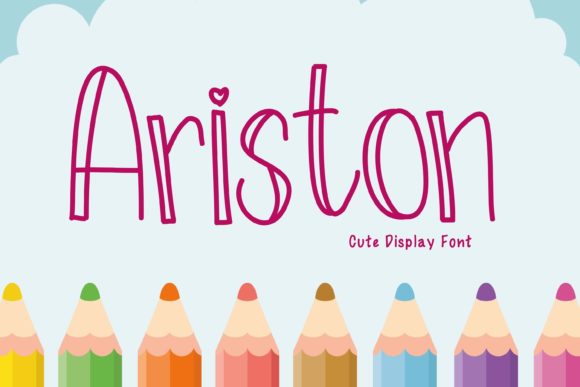
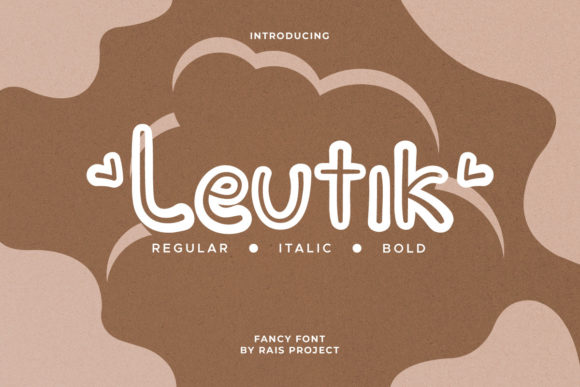
In the landscape of digital design, typography is rarely just an aesthetic choice; it is a functional component of communication. The right typeface can guide the user’s eye, establish hierarchy, and convey tone before a single word is read. For professionals ranging from freelance illustrators to marketing managers, selecting a font involves more than checking if it looks "nice." It requires assessing compatibility, scalability, and emotional resonance within a specific project lifecycle. This is where Leutik, a cute outlined display font, finds its niche. While often categorized under whimsical or playful styles, Leutik serves a distinct purpose in structured creative processes, particularly when clarity, charm, and immediate visual impact are required.
Understanding the Role of Display Fonts in Modern Design
Before diving into the specifics of Leutik, it is essential to understand the broader category of display fonts. Unlike body text fonts, which prioritize readability over long periods, display fonts are designed to be seen at large sizes. They act as visual anchors. In a typical design workflow, these fonts are deployed in titles, headers, posters, and branding elements. The challenge lies in balancing personality with professionalism. A font that is too ornate can become illegible, while one that is too plain may fail to capture attention. Leutik occupies a middle ground: it is outlined, meaning it relies on negative space and structure rather than solid fills, giving it a lightweight yet bold presence.
This structural characteristic makes Leutik particularly useful in workflows that demand high contrast. When placed against busy backgrounds or vibrant colors, the outline style allows the background to show through, creating a layered effect without muddying the text. For creators working on children’s products, educational materials, or lifestyle brands, this balance between playfulness and legibility is crucial. It ensures that the message is not only attractive but also accessible.
Strategic Applications Across Different Industries
The versatility of Leutik allows it to fit into various professional domains, each with its own set of constraints and goals. Understanding these contexts helps designers integrate the font more effectively into their daily routines.
Educational Content and Children’s Media
For educators and publishers, clarity is paramount. However, engagement is equally important. Leutik’s cute, outlined style resonates well with younger audiences without sacrificing readability. When designing book covers, worksheet headers, or app interfaces for children’s games, this font provides a friendly entry point. It signals to the user that the content is approachable and fun. In a production pipeline, using Leutik for chapter titles or key concepts can help break up dense information, making learning materials less intimidating and more visually engaging.
Brand Identity and Small Business Marketing
Entrepreneurs and small business owners often struggle to differentiate their brand in a crowded market. Typography plays a significant role in brand recognition. Leutik can serve as a distinctive element in a brand’s visual identity, particularly for businesses in the craft, bakery, toy, or wellness sectors. Its outlined nature allows for easy adaptation across different mediums. Whether printed on packaging, embroidered on merchandise, or displayed on a website, the font maintains its integrity. This consistency is vital for building trust and familiarity with customers over time.
Social Media and Digital Content Creation
For bloggers, influencers, and social media managers, speed and impact are key. Platforms like Instagram and Pinterest are highly visual, requiring designs that stop the scroll. Leutik excels in quote graphics, event announcements, and promotional banners. Its bold outlines ensure visibility even on smaller mobile screens. When creating content calendars, designers can use Leutik as a recurring theme to maintain visual cohesion across posts. This repetition strengthens brand recall, turning individual pieces of content into a unified campaign.
Technical Considerations and Workflow Integration
Integrating a new font into a design system requires more than just dragging and dropping it onto a canvas. There are technical and organizational factors to consider to ensure efficiency and quality control throughout the project lifecycle.
Compatibility and File Management
Before purchasing or downloading Leutik, verify its format compatibility with your primary design software, whether it is Adobe Illustrator, Photoshop, Canva, or Figma. Most modern fonts come in OpenType (OTF) or TrueType (TTF) formats, which are widely supported. However, for web usage, you may need to convert the font to WOFF or WOFF2 formats to ensure fast loading times and cross-browser consistency. Organizing your font library is also part of a healthy workflow. Create a dedicated folder for display fonts and tag Leutik with relevant keywords such as "outlined," "cute," "playful," and "display" to make future retrieval faster.
Kerning and Spacing Adjustments
Outlined fonts like Leutik often require careful attention to spacing. Because the letters rely on strokes rather than filled shapes, tight kerning can cause the outlines to collide, creating visual clutter. Conversely, excessive spacing can make the text appear disjointed. During the implementation phase, always review your text at actual size. Zoom out to check overall harmony and zoom in to inspect individual letterforms. Adjusting tracking and leading can significantly enhance the readability and aesthetic appeal of Leutik, especially when used in multi-line headlines.
Contrast and Background Interaction
One of the most critical aspects of using outlined fonts is managing contrast. Since Leutik does not have a solid fill, it can disappear against light or similarly toned backgrounds. To mitigate this, designers should pair Leutik with dark or saturated backgrounds, or add a subtle drop shadow or stroke behind the text. This technique enhances depth and ensures that the font remains legible across various viewing conditions. In a collaborative workflow, clearly documenting these contrast requirements in your style guide will prevent inconsistencies when other team members use the font.
Long-Term Value and Consistency
Investing in a quality font like Leutik is not a one-time decision; it is a long-term asset. As your projects evolve, having a reliable library of typefaces reduces decision fatigue and accelerates the creative process. By establishing clear guidelines for when and how to use Leutik, you create a consistent visual language that reinforces your brand or project identity. Regularly audit your designs to ensure that the font is being used appropriately and not overused to the point of diminishing returns.
Ultimately, the value of Leutik lies in its ability to bring a touch of beauty and personality to functional designs. By integrating it thoughtfully into your workflow, considering technical constraints, and maintaining high standards of quality control, you can leverage this font to create impactful, memorable, and professional results. Whether you are crafting a child’s book cover or launching a new product line, Leutik offers a versatile tool for effective visual communication.